Behind the Lens · Mount Fuji Stories
Five honest lessons from a first overnight on the Yoshida Trail — preparation, pacing, descent, communication, and recovery, with honest respect for the mountain.
A note before you read this
This post is a personal reflection on my first Mt. Fuji climb — the one I made to photograph a sunrise proposal. It is not a medical guide, and it is not a substitute for advice from a qualified professional. If you are planning your own climb and something feels wrong, or if you have any doubt about your health at altitude, please respect the conditions and seek appropriate assistance from the official trail services or a medical professional.
The full timeline of the climb, including the ascent, the night at Edoya, and the proposal moment, is in My First Mount Fuji Climb. The kit I carried is in The Camera Gear I Carried Up Mount Fuji, and the hut night is in My Night at Edoya Mountain Hut. These are the five honest lessons that came out of all of it.
Lesson one
I had done real hiking before, including time in the Hakuba area around 2,000m. I was not unfit. I just had not hiked seriously in a while, and I treated the gap between "comfortable at 2,000m" and "summit of Mt. Fuji" as a smaller jump than it actually is.
What would have made the biggest difference was not heroic training. It was consistency. Regular walking — long enough to build up time on the legs, not just a few km on a weekend — combined with some lower-body strength work and honest cardio. None of that guarantees a perfect climb, but it makes the upper section of the trail and the descent much more forgiving.
Lesson two
There is a version of the Fuji story where someone wakes up on a good-weather morning, sees the mountain clearly, and decides to "just go up" that day. If you are reading this and considering it on impulse, the honest advice is: do not. Build up to it. Choose your date carefully. Respect the conditions, and respect the mountain.
Mt. Fuji is a real mountain. The trail is well marked and well-managed, but the climb is still the climb. If you are reading this and considering it on impulse, the honest advice is: do not. Build up to it. Choose your date carefully. Respect the conditions, and respect the mountain.
Lesson three
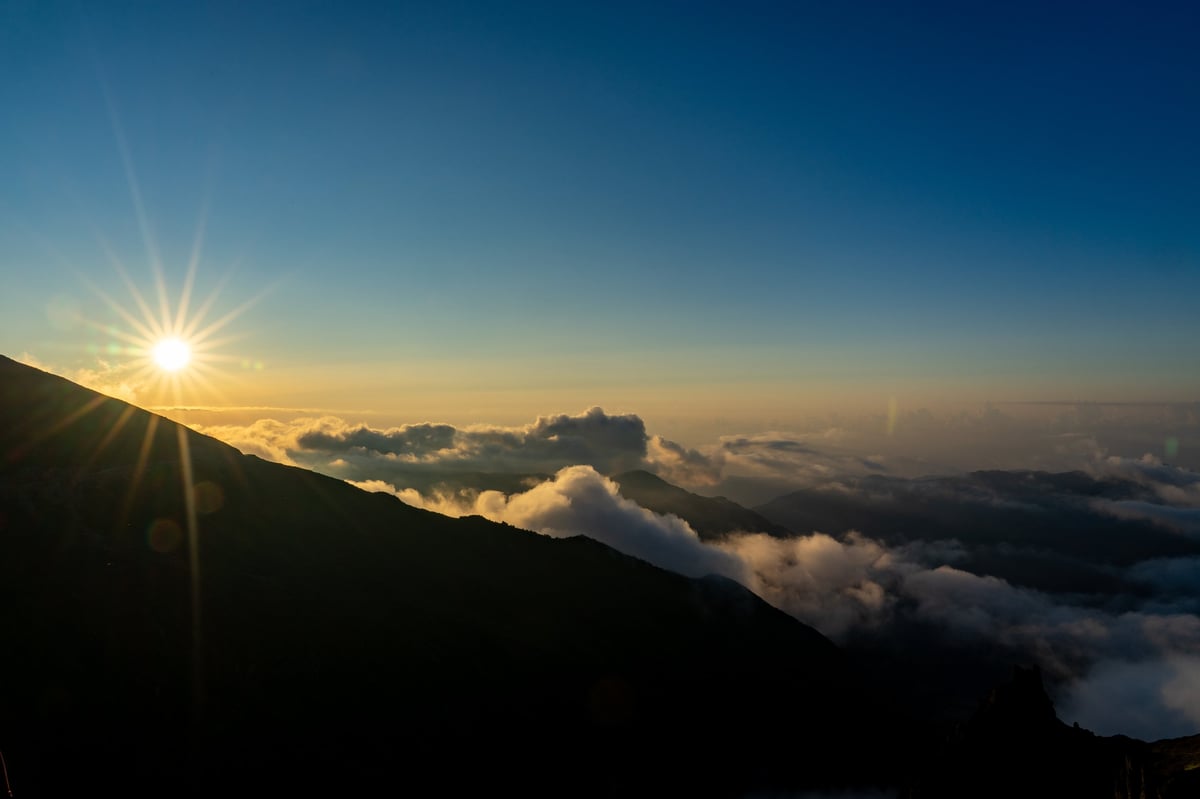
The upper section of the trail, from the 8th Station toward the summit, is where most people slow down. The path narrows. The volcanic scree shifts under your boots. It is dark, cold, and windy. I stopped roughly every minute, not because I had decided to, but because my body asked me to. At one point I sat down on a rock to rest and may have closed my eyes for a moment; I'm not sure. I was exhausted, and the combination of altitude, wind and a long day made every step feel slower.
What I did not appreciate in advance is that the descent is a different kind of difficult. The lower sections are long, loose volcanic sand, and every step lands on your knees. I slipped once. The stairs on the lower trail were painful. By the time I reached the bottom, my knees and lower legs were the most painful they have been on any shoot. If you plan one Fuji climb, plan two recoveries — the night after, and the day after that.
Lesson four
The single most stressful part of the day was not the climb itself. It was the moment I had to find a specific couple on a crowded summit with no internet and no working reference image. I had saved a screenshot from a Google Street View of a Japanese flagpole near the summit station, intending to wait by it. When I arrived, the area had been re-arranged and the flagpole I was looking for was not where I expected. An old Street View image of an active summit is not a reliable reference on the day. A current, recent photo and a written backup plan would have made that moment much calmer.
Lesson five
I do not want to wrap this up as if everything went perfectly. The descent was painful, my knees and lower legs took a real hit, and I slept poorly in a small shared mountain hut. The next two days were genuinely a recovery. If I had a shoot scheduled for the day after Fuji, I would not have been at my best. For anyone planning a summit session, please allow a full rest day on either side of the climb.
I also want to be careful with how I talk about how I felt on the upper mountain. I had a difficult night, with headaches and a heavy head at altitude, and I sat down to rest more often than I expected. I am not a medical professional, and this is not a health guide. If you feel unwell on the mountain, please stop, rest, descend, and seek proper help. Mount Fuji is a real mountain with real conditions, and it deserves respect.
The honest line I draw is this: the experience was hard, and I would do it again. Not many times in a year, and only on days I can plan for properly, but yes. If you are thinking about a Mount Fuji surprise proposal and you would like to talk through whether the summit, the lakeside, or another setting is right for you, I am happy to listen first. You can read the full first-climb story here, the Edoya hut night here, the gear I carried here, and the proposal moment itself here.
Behind the Lens · Mount Fuji Stories
If the summit, the lakeside, or another Fuji setting is on your mind, I am happy to listen first. Every plan starts with a quiet conversation about the person you are proposing to, the season, and what would feel right for both of you.
Start the Conversation