Autumn Guide · October & November 2026
Discover when to visit Mount Fuji during autumn for the best weather, autumn leaves, mountain visibility, and unforgettable photography opportunities.
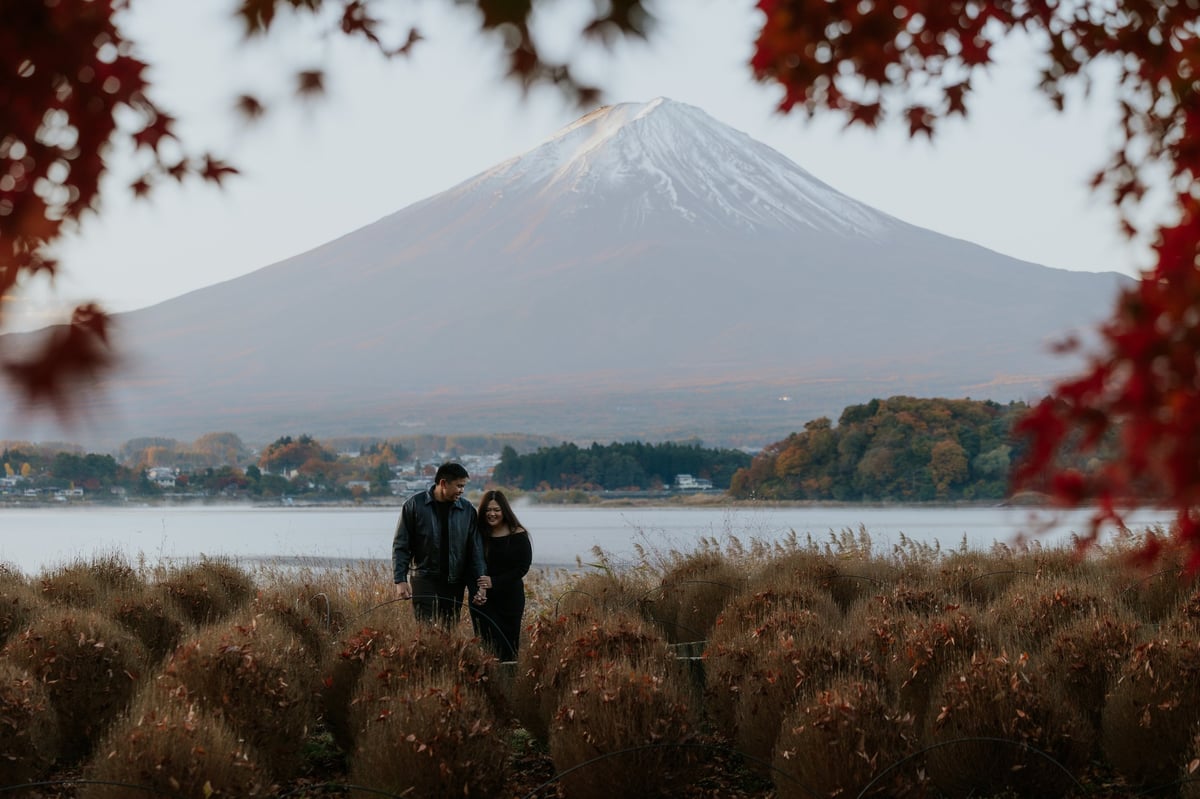
Autumn is, without question, one of the most magical times to visit Mount Fuji. The summer crowds have thinned, the air is crisp and clear, and the landscape transforms into a breathtaking palette of crimson, gold, and amber. But not all autumn weeks are created equal — and knowing when exactly to go can make the difference between a postcard-perfect view and a cloud-covered disappointment.
As a local photographer who has spent countless autumn mornings around Mount Fuji, I've learned exactly when the mountain shows its best side. This guide breaks down October vs. November, week by week, so you can plan with confidence.
October is when the autumn foliage season truly begins around Mount Fuji. The temperatures are comfortable — typically between 10°C and 20°C (50°F–68°F) — and the famous koyo (autumn leaves) begin their stunning transformation.
Early October is transitional. At the 5th Station (2,300m elevation), leaves begin changing first. Around Lake Kawaguchi and Lake Yamanaka (900–1,000m), you'll see the very first hints of color — mostly in higher elevation areas. The weather is mild, and weekday crowds are minimal. Visibility is generally good, though not yet at peak.
This is the sweet spot. The maple trees around Lake Kawaguchi reach near-peak colors, particularly along the northern shores. The famous Momiji Corridor (Maple Corridor) along Lake Kawaguchi becomes a tunnel of vibrant red and orange. Morning temperatures drop to around 8°C, creating beautiful mist effects over the lakes. Visibility is excellent — October statistically has some of the clearest days of the year.
Peak autumn foliage across most lakeside areas. The combination of golden larch trees, red maples, and the snow-capped peak of Mount Fuji creates the iconic image most travelers dream of. This is the busiest period for autumn tourism — expect more visitors, especially on weekends. Sunrise sessions become even more rewarding, with golden light illuminating the autumn colors.
November brings a dramatic shift. The autumn foliage fades from the lakeside areas but the payoff is extraordinary: the clearest mountain visibility of the entire year. Combine that with a fresh snow cap on Fuji's summit, and November delivers some of the most dramatic photographs possible.
The last of the autumn colors linger at lower elevations. You can still find beautiful foliage framing Mount Fuji, especially in sheltered valleys and along the Fuji Five Lakes. Temperatures drop to 5°C–15°C (41°F–59°F). The autumn foliage season officially winds down around November 10–15 in most lakeside areas.
By mid-November, most deciduous trees have shed their leaves. But this is when Mount Fuji's snow cap becomes prominent, and the clarity of the air is remarkable. The low humidity of late autumn means virtually no haze. This is the best time for crystal-clear, high-contrast photography. If your priority is seeing Mount Fuji clearly (more than autumn colors), this is your window.
Winter begins knocking. Temperatures range from 2°C–10°C (36°F–50°F). The landscape becomes more stark and minimalist, which can be beautiful in its own right. Fewer tourists mean more solitude. The snow cap is typically fully established by now. Sunrise is around 6:30 AM, making it more manageable than the 4:30 AM summer sunrises.
| Period | Foliage | Visibility | Crowds | Best For |
|---|---|---|---|---|
| Early Oct | Starting | Good | Low | Quiet visits |
| Mid Oct | Peak | Excellent | Moderate | 🍂 Photography |
| Late Oct | Peak | Very Good | High | Full experience |
| Early Nov | Fading | Excellent | Moderate | Balance |
| Mid–Late Nov | Gone | Best of Year | Lowest | 🏔️ Clarity |
Autumn visibility around Mount Fuji follows a clear pattern: it improves steadily from October through November. Here's why:
The golden hour just after sunrise creates the most magical autumn colors. The low-angle light makes the red and orange leaves glow, and Mount Fuji is statistically most visible in the early morning. Plus, you'll avoid the tour buses that arrive around 9–10 AM.
Weekends in late October can be surprisingly crowded, especially at popular spots like Chureito Pagoda and Lake Kawaguchi's north shore. A Tuesday or Wednesday visit gives you a vastly more peaceful experience.
Autumn mornings around Mount Fuji can be cold — often 5°C or lower at dawn. But by midday, temperatures can reach 18°C. Dress in layers you can easily add or remove. A warm jacket, scarf, and gloves are essential for sunrise outings.
Public transportation around the Fuji Five Lakes exists but limits your flexibility. Having a car lets you chase the best light, visit multiple locations in a morning, and access hidden spots the buses don't reach.
I know exactly where and when to be for the most stunning Mount Fuji autumn shots. Let me plan the perfect session for you.
Request Availability